Grip sock packaging planningStudio retail & wholesaleWorldwide buyer support
Home/Grip Socks/Packaging Options

Custom Grip Sock Packaging

Grip Sock Packaging Options for Studio Retail and Wholesale

Preview guide · September 2026

Choose the pack around the sales channel, display method and handling plan, then confirm every project-specific print and packing parameter.

Review the Speckled Color-Block Crew direction
Quick answer

Choose grip sock packaging by sales channel, display method, and handling needs—not by appearance alone. OPP bags support simple protection and sample or wholesale handling; sleeves and header cards suit compact studio display; boxes can support gifting or sets. Confirm artwork, barcode, care copy, packing units, MOQ, cost, and timing before approval.

The right packaging depends on where and how the grip socks will be sold. A Pilates studio may need a compact pack that hangs beside reception. A private-label brand may need more room for identity and product information. A distributor may prioritize clear SKU identification and practical handling.

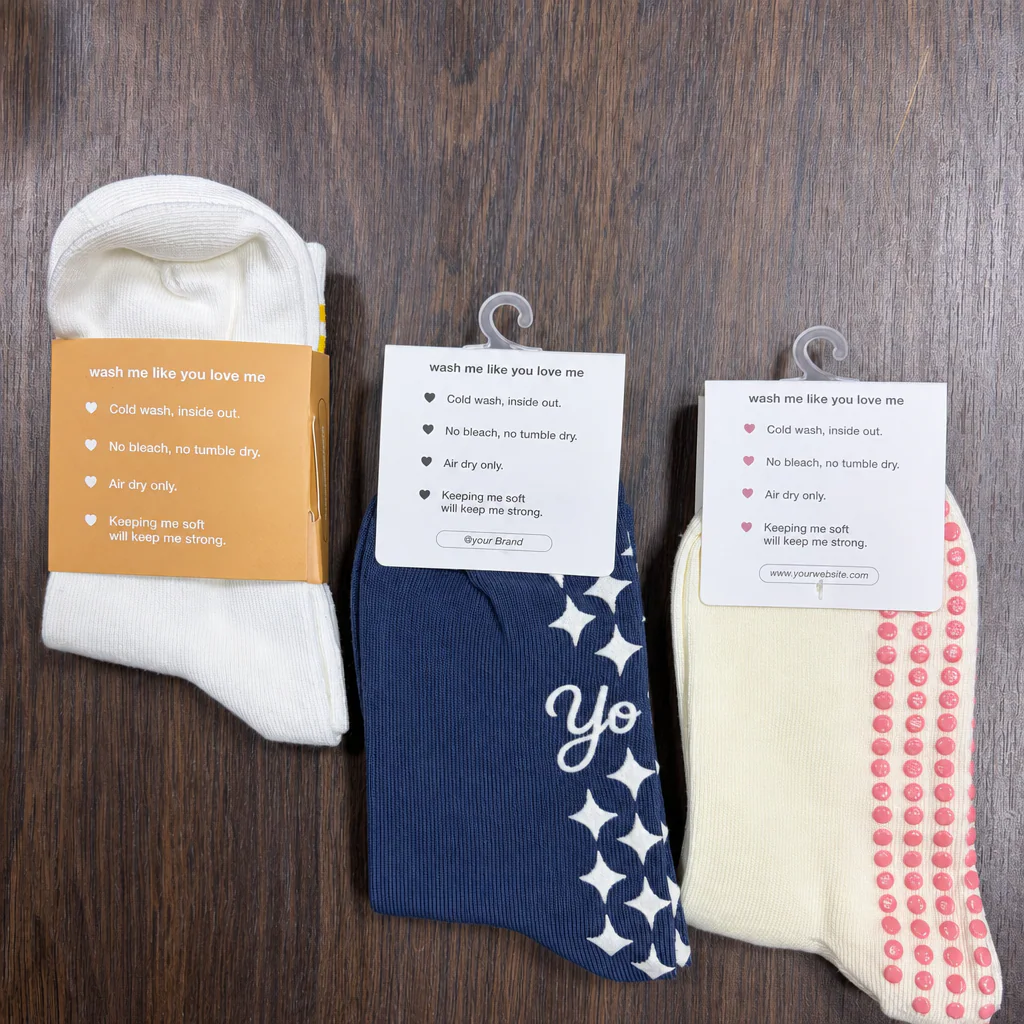
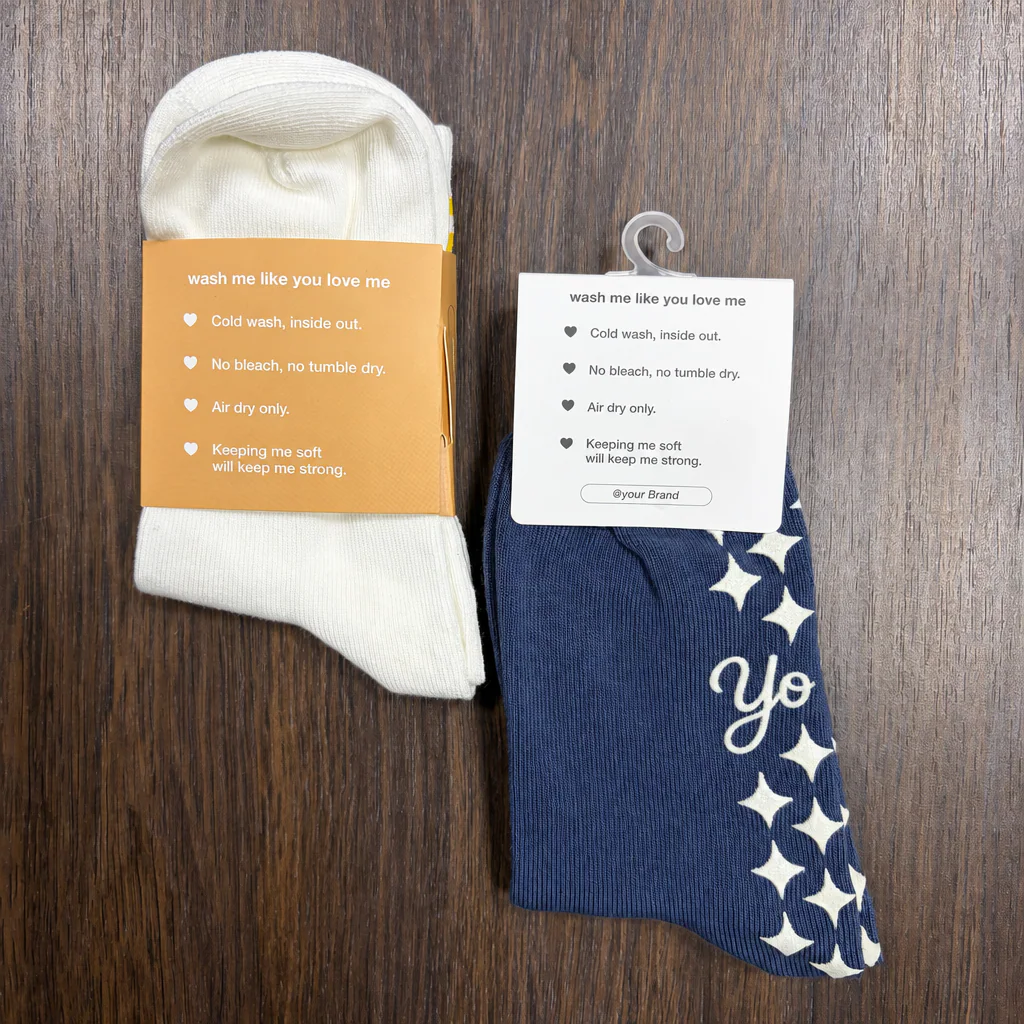
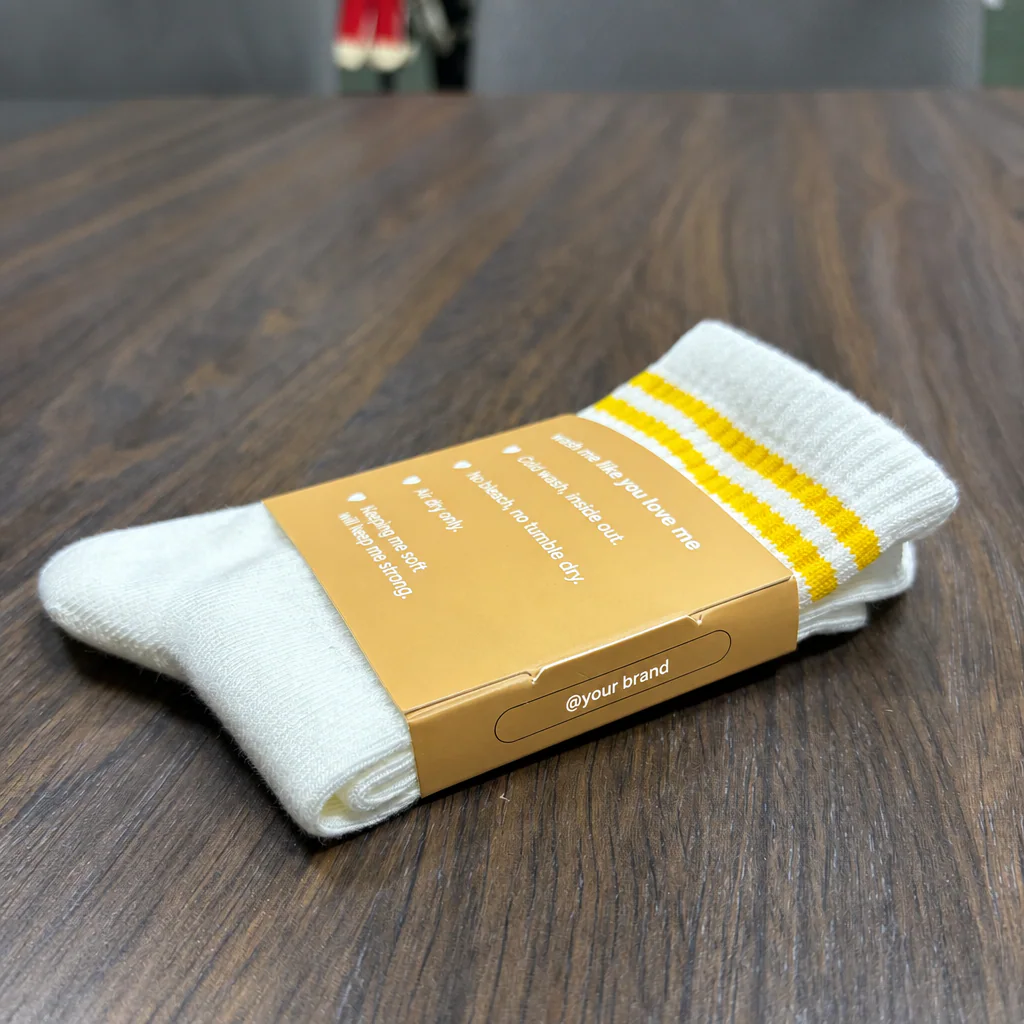
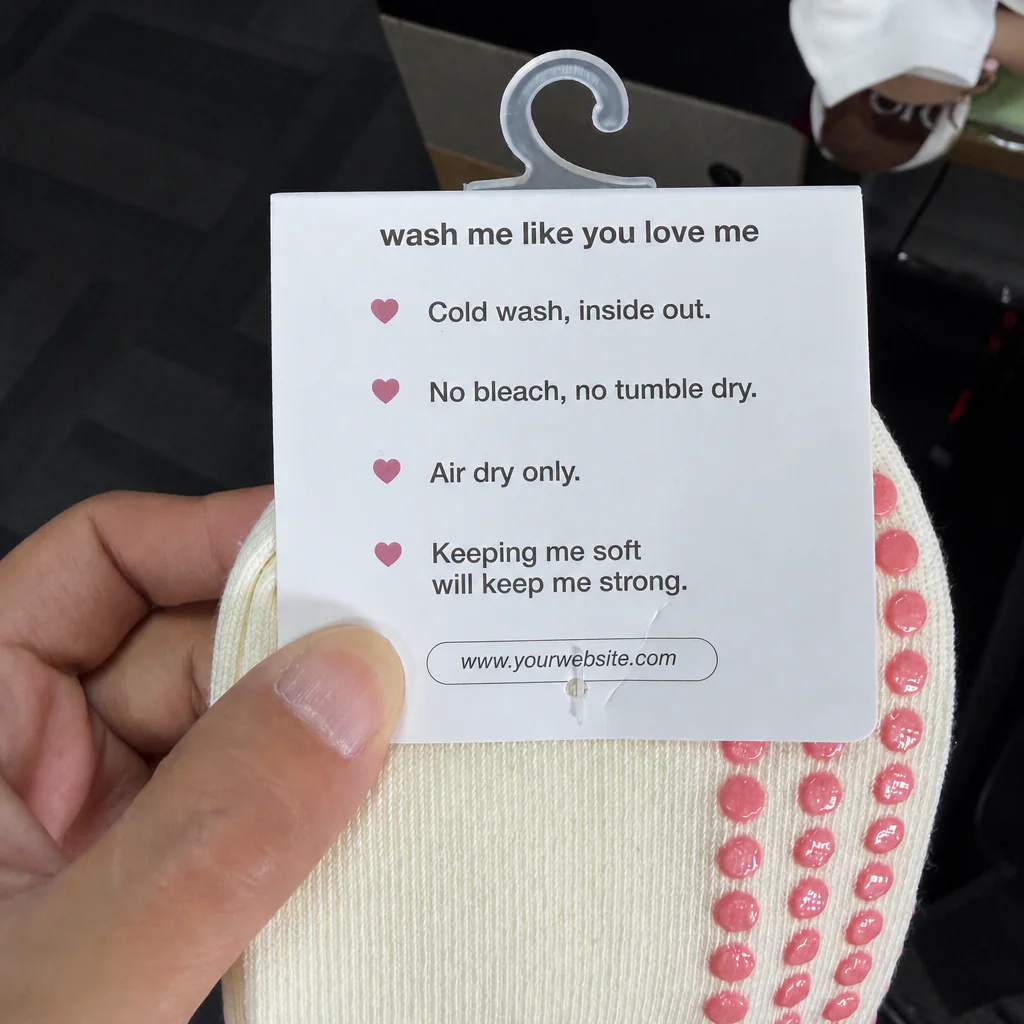
UPILATE offers a free OPP bag as the standard packing option. Paper sleeves, header cards, barcodes, boxes and custom packaging are also supported. Their exact material, dimensions, print method, MOQ, cost, sampling time and packing method must be confirmed for each project.

1 · Start with the channel

Plan packaging with the product assortment.

Before choosing a format, define the style, colorways, sizes, logo method, grip pattern, sales channel, display method and quantity split. This gives the supplier enough context to identify open questions.

FormatBest useDisplay or handling rolePrint and barcode planningMOQ and open questions
OPP bagSamples, basic protection, wholesale handlingKeeps each pair separately packedA separate label or insert may be considered if identification is neededFree standard option; final packing details still require order confirmation
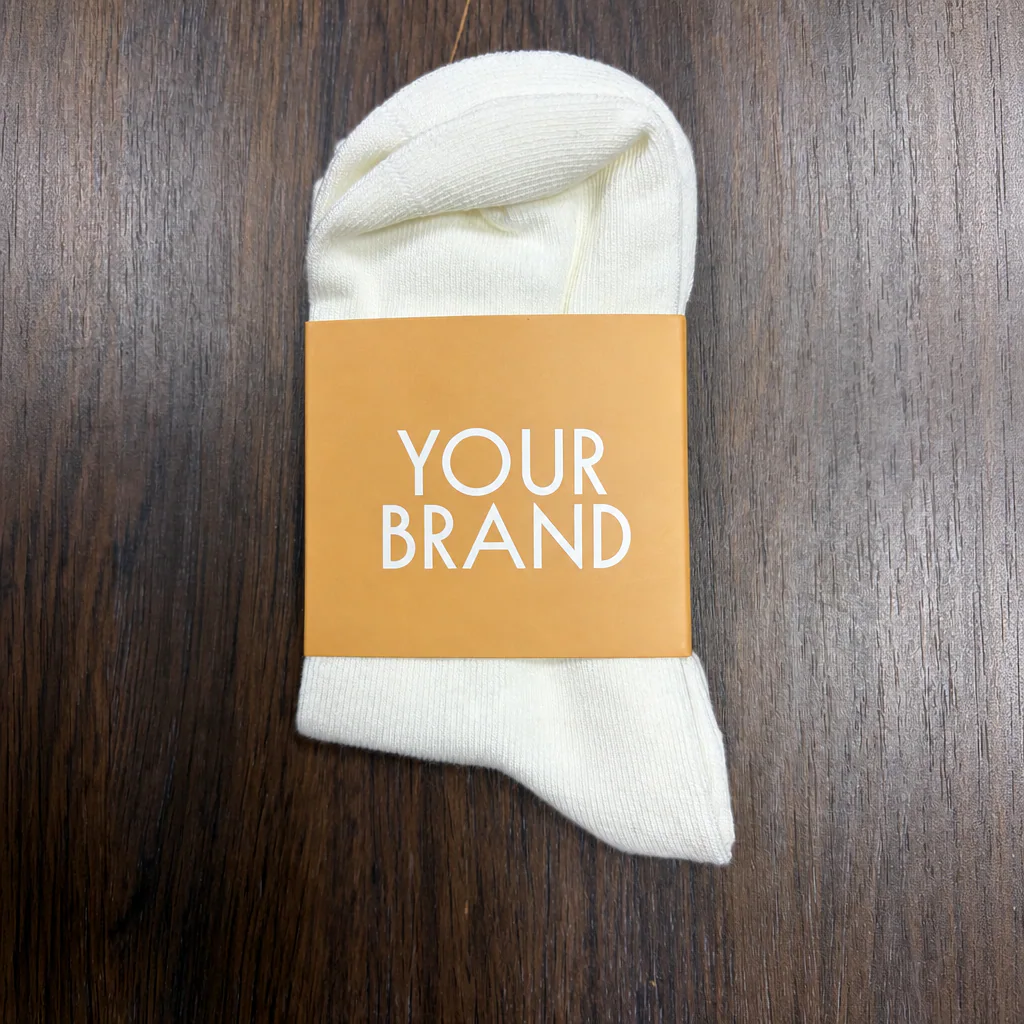
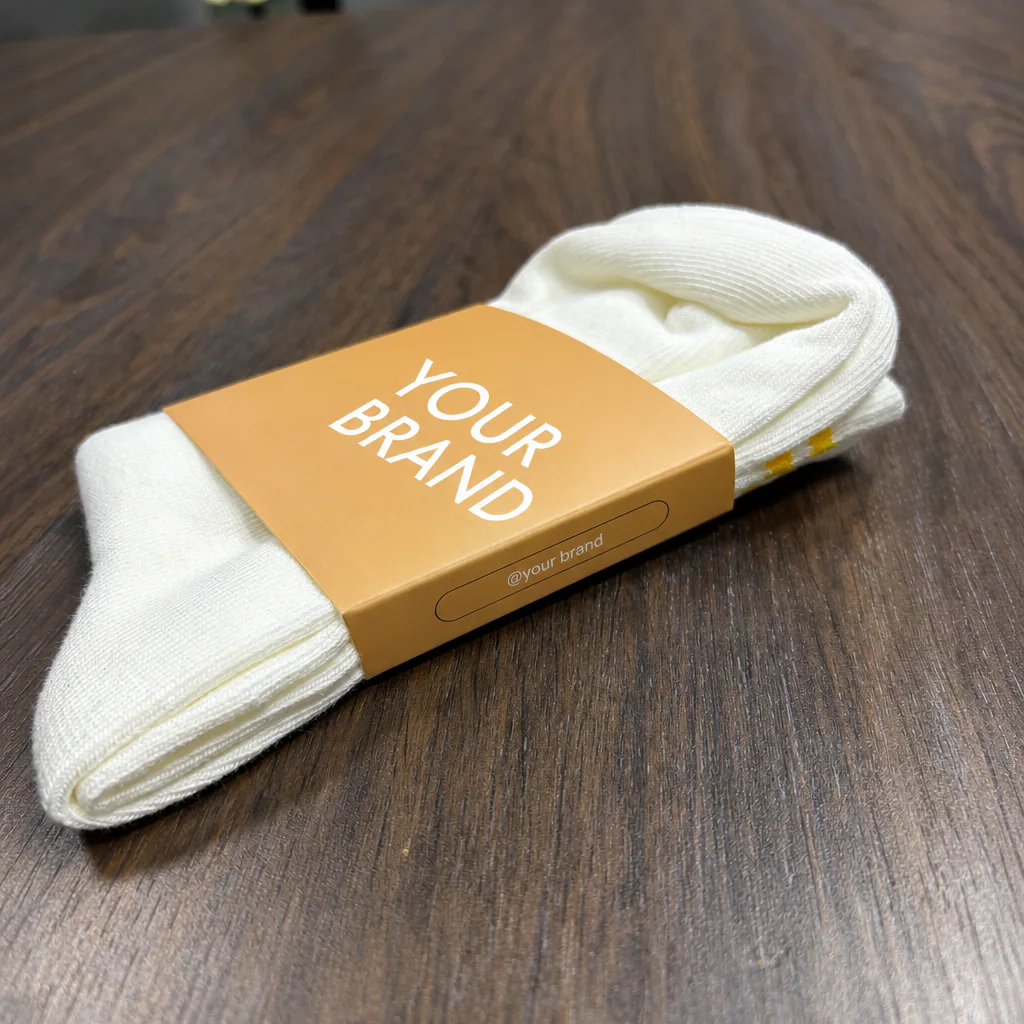
Paper sleeveCompact studio retail presentationWraps around a folded pairConfirm artwork area, barcode position, care copy, size, material and print methodSupported; MOQ, cost and sample timing are project-specific
Header cardHanging retail displayAdds a visible brand panel and hanging pointConfirm hole position, attachment, card structure, barcode area and artworkSupported; all production parameters require confirmation
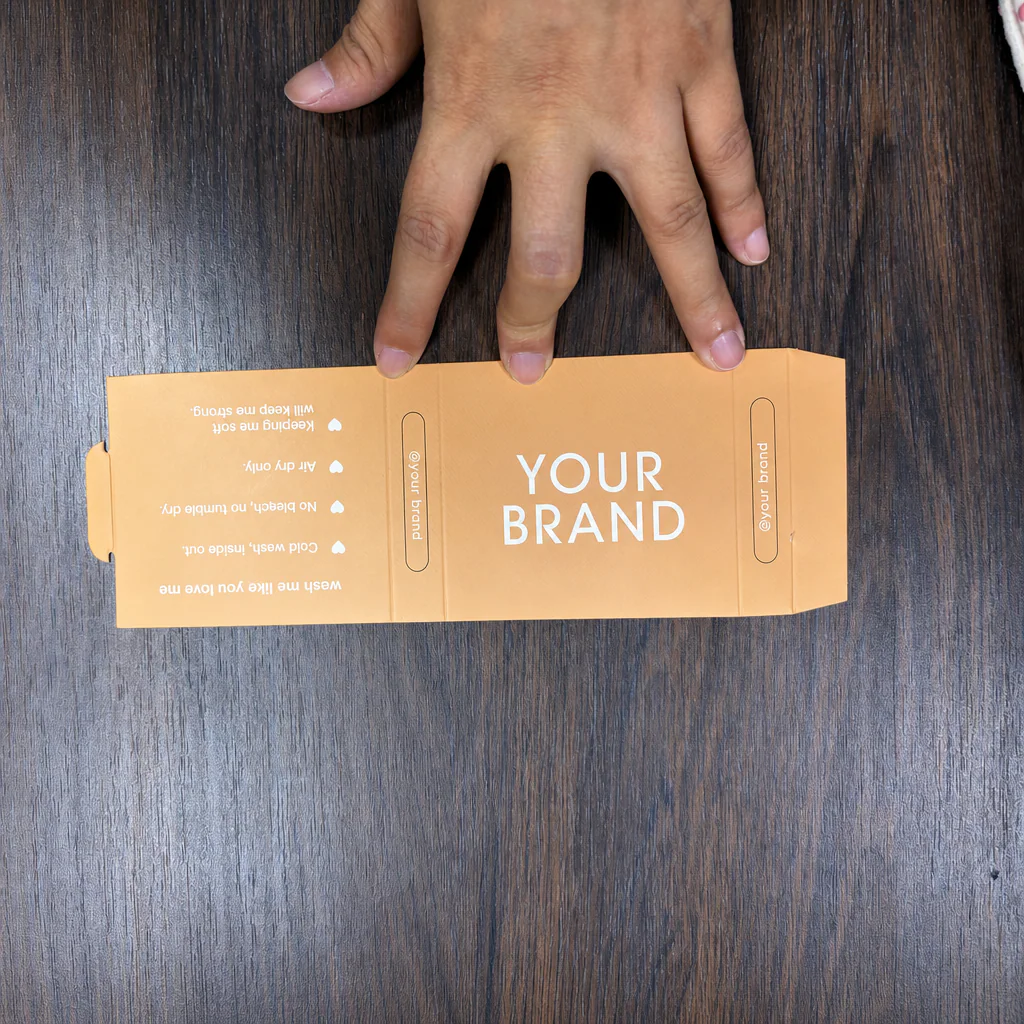
BoxGifting, premium presentation or setsSupports shelf, gift or multi-pair presentationConfirm structure, inserts, artwork panels, barcode location and unit countSupported; dimensions, material, MOQ, cost and timing are quoted by project
Custom packagingBrand-specific retail needsDefined by the buyer’s channel and display planRequires a clear brief, structure review, dieline and proof approvalSubject to production review; no universal MOQ, price or lead time applies

This table is a decision guide, not a technical specification. Final data should come from the approved quotation, dieline, sample or proof, and packing instructions for the actual order.

2 · Display & handling

Balance presentation with practical packing.

A more elaborate pack is not automatically more useful. Studios often have limited wall, shelf or counter space. Confirm whether packs will hang, stand or lie flat; how staff will identify size and color; and how many units need to fit the display.

For wholesale handling, define how individual packs will be grouped in the outer carton. Do not estimate display or carton capacity from a mockup alone. Sock thickness, fold method, header structure, box depth and assortment mix can change the result.

3 · Artwork & barcode

Prepare variable product information early.

Build artwork on the supplier-approved dieline. Identify the logo, color references, product name, size wording, barcode area, care text, language versions and fields that vary by SKU.

Barcode use should be confirmed by the buyer. Care, fiber, origin and other required wording can vary by product and destination. Verify market-specific requirements before print approval.

4 · Evidence gate

Keep unsupported claims off the pack.

Packaging graphics should not turn an unverified marketing phrase into an apparent product fact.

Do not assume

Claims need product-specific evidence.

Do not add “recycled,” “eco-friendly,” “certified,” “safe and durable,” “moisture wicking” or similar claims unless the exact statement is supported by applicable evidence.

  • No finished-sock GRS claim without confirmed scope
  • OEKO-TEX wording remains limited to the documented yarn level
  • No test result without a defined, completed and documented method
Market wording

Reserve space before final copy approval.

Care wording, fiber labeling, origin wording, warnings and other statements can depend on the product and destination. UPILATE can place buyer-approved content in the agreed area; the buyer should verify market-specific requirements with a qualified adviser or retail partner.

5 · Approval sequence

Approve the pack before bulk printing.

If handling or drop checks matter, define the method and acceptance criteria before sampling. Never claim a pack passed a test unless it was specified, performed and documented.

Seven-step review

Move from the sock brief to final packing instructions.

  1. Confirm the sock SKU, size and color split, logo method and grip options.
  2. Select the packaging format and define its sales and display use.
  3. Confirm material, dimensions, print method, packing unit, MOQ, cost and schedule.
  4. Prepare artwork on the approved dieline.
  5. Review wording, colors, barcode placement and variable SKU information.
  6. Approve the agreed sample or proof.
  7. Confirm unit packing and outer-carton instructions before bulk production.

6 · Packaging RFQ

Send one coordinated product-and-packaging brief.

These fields help the supplier prepare a project-specific response instead of relying on assumptions.

Product and quantitySock style / reference image / total quantity / SKU, size and colorway breakdown
CustomizationLogo method / grip material and pattern / approved color references
Pack formatOPP bag / sleeve / header card / box / custom structure · one-pair or multi-pair requirement
Sales channelStudio wall / counter / ecommerce / wholesale / gifting / samples
Display methodHanging / standing / flat · fixture or shelf constraints
ArtworkLanguages / buyer-approved wording / barcode ownership and placement / variable SKU fields
Production filesDieline and artwork responsibilities / file requirements / sample or proof requirement
Packing instructionsIndividual packing / retail unit count / outer-carton grouping
Commercial questionsPackaging MOQ / sampling or setup charges / unit cost / production timing
Delivery contextDestination market / requested schedule / any defined handling-check requirement

Packaging FAQ

Questions to settle before artwork and printing.

Every custom format remains subject to project quotation and approval.

A paper sleeve or header card can be considered when compact presentation and clear identification are priorities. The right choice depends on the fixture, hanging method, sock fold, size visibility and available space. Test the proposed pack with the actual display before bulk approval.

Sampling or proof requirements can be discussed for supported custom packaging. The method, fee, timing and what the sample represents must be confirmed for the project. Do not assume a sample is free or represents every bulk-production variable.

Prepare editable logo files, color references, approved product copy, language versions, barcode details and variable SKU fields. Final artwork should follow the approved dieline. Confirm file and print-production requirements before submission.

Placement depends on the format, print area, retail system and destination requirements. Reserve space during dieline planning, then verify content, barcode ownership, contrast and market-specific requirements before printing.

It may. UPILATE’s standard OPP bag is free, while paper sleeves, header cards, barcodes, boxes and other custom packaging are quoted by project. Exact MOQ, fees, sample timing and production timing must be confirmed for the selected structure and order.

Build one coordinated brief

Compare packaging routes around the product, channel and handling plan.

Share the sales channel, preferred format, quantity split, artwork status and delivery target. UPILATE will identify the specifications, costs, MOQs and timing that still require project confirmation.